
PCAD:WINNING THE HEARTS OF THE PEOPLE
Harmonizes programs, projects and activities to inform, engage, influence, and lead our communities towards achieving a better public order and safety in support of the Quad operational concept:

The Philippine National Police Academy's (PNPA) director is a true visionary and a leader who has made a significant difference in the academy. He is well known for his outstanding leadership abilities and unwavering dedication to the training of aspiring police officers. He has successfully eliminated hazing and abuse in the academy and established a climate of respect, integrity, and professionalism. Not only has the academy benefited from his vision for a safer and more competent police force, but other police institutions as he served as the Director of the Police Community Affairs and Development


Successful law enforcement depends on strong police-community relations, or the relationship between the police and the communities they serve. Building trust between the public and the police requires effective police-community interactions. The work of the police is much less successful without this trust. The public might not feel safe even though the police are reducing crime because of a lack of confidence. It can be difficult for police to persuade communities to join them in the fight against crime. As a result, improving police-community relations in this area is a necessity.
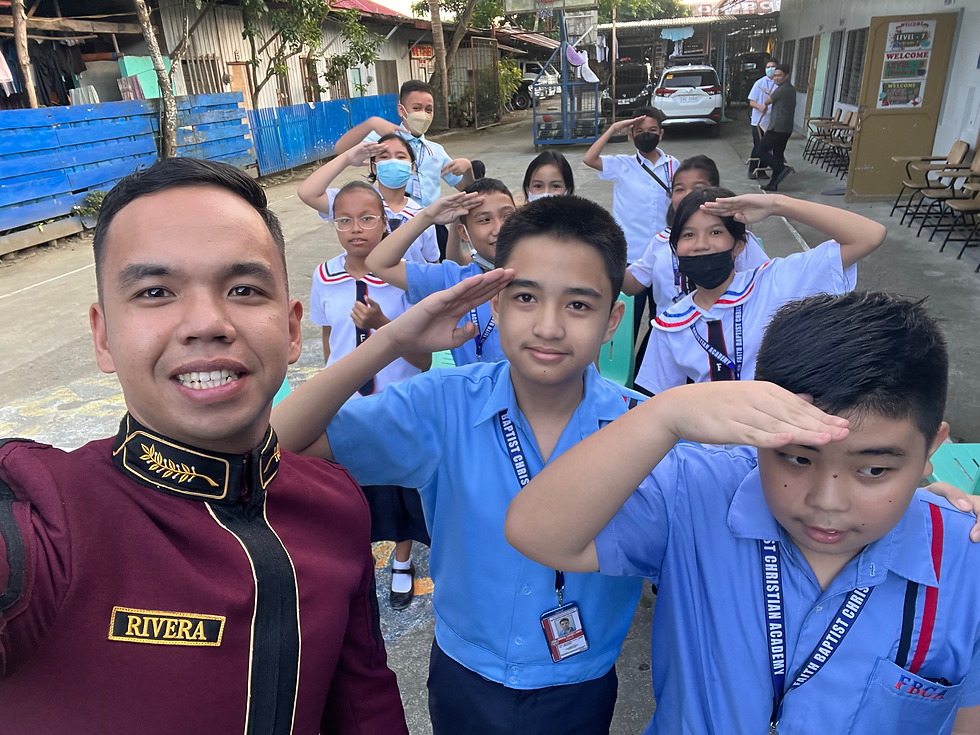

Police Community Affairs and Development is a critical component of ending insurgency and crime. Community-oriented policing is an approach to law enforcement that prioritizes building relationships and trust between the police and the community they serve. This involves a proactive approach to crime prevention, with the goal of creating a safer and more peaceful community through collaboration, communication, and problem-solving.
One of the key takeaways from the importance of Police Community Affairs and Development is that the police cannot effectively combat crime and insurgency without the active participation and support of the community. This means building relationships with community leaders, fostering a sense of trust and mutual respect, and creating opportunities for community members to engage in the policing process. By building these relationships, police officers can gain valuable insight into the unique challenges and issues facing the community, and can work collaboratively with community members to develop effective strategies for addressing them.
Another critical aspect is the importance of promoting transparency, accountability, and ethical behavior within the department. This means being open and honest with community members about the department's policies and procedures, and being willing to listen to feedback and suggestions from community members. It also means holding police officers accountable for their actions, and ensuring that they are held to the highest ethical and professional standards.
Effective Police Community Affairs and Development also requires the ability to think strategically and anticipate potential challenges. This means being proactive in identifying potential risks and developing contingency plans to address them. It also means working collaboratively with community members to develop effective crime prevention and community safety strategies.
Lastly, It is about building trust and relationships with the community, and empowering community members to take an active role in keeping their neighborhoods safe. This requires strong leadership skills, including the ability to inspire and motivate police officers to engage in community-oriented policing, and the ability to foster a culture of respect and collaboration within the department.
In conclusion, Police Community Affairs and Development is a critical component of ending insurgency and crime. By prioritizing community-oriented policing, promoting transparency and accountability, and fostering relationships and trust with community members, law enforcement agencies can build safer and more peaceful communities. With a proactive and collaborative approach to crime prevention, police officers can work together with community members to address the unique challenges and issues facing their neighborhoods, and create a safer and more secure future for all.