
Law Enforcement's Role in Upholding Humanitarian Law: Protecting Civilians in Times of Armed Conflict
War have been part of the remarkable events in each country. As a future law enforcer, I engage myself into awareness to the historical war in the country. It matters to me personally because it serves as a reminder to protect my freedom, defend the state's security from invasion, prevent corruption from destroying the state, and aid in maintaining the Republic that our veterans of war have fought for in the past. I might be affected by the stories I learned. This conflict is significant to me because, as a prospective of a cadet, it compels me to encourage my fellowmen to love their country above all else, to safeguard and advance democracy, and to be aware that there is an international law that a set of rules that seek to limit the effects of armed conflict. It lays out the responsibilities of states and non-state armed groups during an armed conflict.

 |  |  |
|---|---|---|
 |
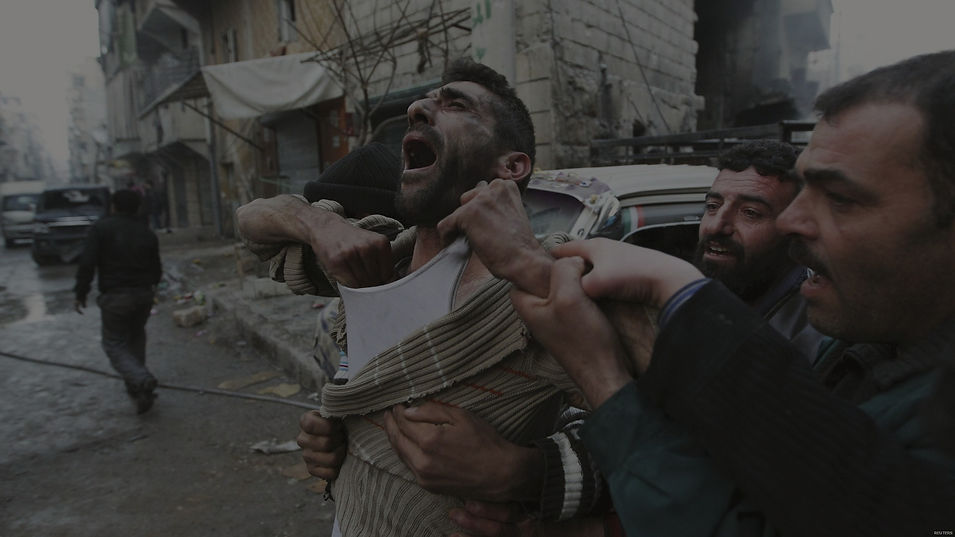
Armed conflict has devastating consequences for civilians, with widespread violence and human rights abuses often perpetrated by armed actors. Humanitarian law, also known as the law of war or the law of armed conflict, is designed to protect civilians and minimize the impact of armed conflict. However, these laws can only be effective if they are enforced by those with the power to do so, including law enforcement officials.
Law enforcement officials play a critical role in enforcing humanitarian law during armed conflict. They are responsible for upholding domestic and international laws that protect civilians, such as the Geneva Conventions and the Rome Statute of the International Criminal Court.
In addition to investigating and prosecuting war crimes and other violations of international law, law enforcement officials can also take proactive measures to prevent such violations from occurring. For example, they can work to prevent the use of weapons that are likely to cause harm to civilians, or to prevent attacks on civilian areas such as hospitals and schools.
Enforcing humanitarian law during armed conflict is a complex and challenging task. Law enforcement officials must navigate a range of difficult situations, including ongoing violence, limited resources, and political pressures. They must also be trained in the laws of war and have a deep understanding of the complexities of armed conflict.
Another challenge is the issue of accountability. Law enforcement officials must be held accountable for any abuses of power or violations of international law. This can be difficult to achieve in practice, particularly in situations where the rule of law is weak or where there is little political will to investigate and prosecute such abuses.
In conclusion, law enforcement officials play a critical role in upholding humanitarian law during armed conflict. They are responsible for enforcing domestic and international laws that protect civilians, and for taking proactive measures to prevent violations of international law from occurring. However, law enforcement officials face a range of challenges in carrying out this important work, including limited resources, ongoing violence, and political pressures. It is essential that they receive the necessary training and support to carry out their duties effectively, and that they are held accountable for any abuses of power or violations of international law. Ultimately, the protection of civilians during armed conflict depends on the ability of law enforcement officials to uphold the laws of war and to ensure that those who violate them are held accountable.